
If you run a medical office in Miami, Coral Gables, or North Miami, you already know the truth: your phone system isn’t just a phone system. It’s your front desk, your scheduling team, and your first impression—all in one.
Patients call for everything. Appointments, prescriptions, billing questions, test results, referrals, directions, “Do you take my insurance?” When the phones are busy or the call flow is confusing, people get frustrated fast. They hang up, call a competitor, or leave a bad review. And the worst part is, your staff usually takes the blame for something that’s really a system problem.
A modern cloud phone system fixes a lot of that. Not with hype, but with simple improvements that make the day run smoother.
Why Medical Offices Outgrow Traditional Phone Systems
Traditional phone setups weren’t built for how healthcare operates today. Most practices are dealing with:
- Higher call volume than ever
- Smaller teams trying to do more
- Patients expecting quick answers
- Multiple providers and departments sharing the same phone lines
- Staff who sometimes work remotely or cover more than one location
The result is usually the same: the phones never stop ringing, patients wait too long, and the front desk spends the day putting out fires.
A cloud phone system gives you more control over how calls are handled, without needing complicated hardware or a full-time IT person to keep it running.
What a Cloud Phone System Actually Means
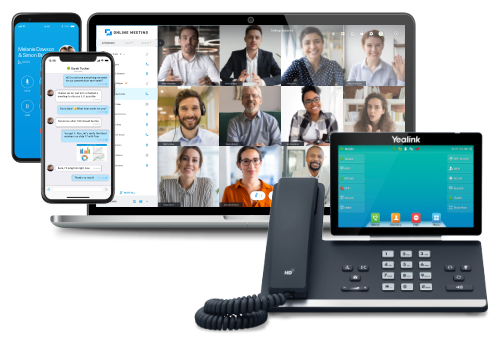
A cloud phone system runs over the internet instead of old phone lines. It lets your office handle calls using desk phones, mobile apps, and computers—all connected to the same system.
That means your team can:
- Answer calls from the front desk or from a mobile device
- Transfer calls the right way without confusion
- Access voicemail and call history from anywhere
- Adjust call routing without waiting on a phone company
For busy practices in Miami and Fort Lauderdale, this flexibility makes a noticeable difference fast.
The Biggest Problems a Better Phone System Solves
1) Missed Calls and Long Hold Times
Most medical offices don’t miss calls because they don’t care. They miss calls because staff are buried. If your phones light up during peak hours, a cloud system can help by:
- Holding calls in an organized queue
- Routing overflow calls to the right people
- Sending missed calls to voicemail properly (with the right message)
- Giving you visibility into what’s being missed and when
Even small changes here can reduce chaos at the front desk.
2) Calls Going to the Wrong Person
A patient who needs billing shouldn’t end up in clinical. A referral call shouldn’t land at the scheduling desk. Simple routing fixes this:
- “Press 1 for appointments, 2 for billing, 3 for prescriptions…”
- Calls can ring a group of phones instead of just one person
- After-hours calls can follow a different set of rules
When call routing is set up correctly, staff spend less time transferring, and patients get help faster.
3) After-Hours Calls That Don’t Get Handled Right
After-hours calls shouldn’t feel like a dead end. A cloud phone system can:
- Play a clear after-hours message
- Route urgent calls properly
- Send messages to the correct voicemail box
- Forward calls based on time of day
This is especially helpful for practices that want to stay responsive without burning out the team.
Patient Experience Improves When Communication Is Simple
In healthcare, patients want three things when they contact your office:
- Quick answers
- Clear direction
- A smooth process
A modern phone system supports that by making it easier to:
- Reach the right department
- Handle routine requests efficiently
- Reduce repeated calls and call-backs
When patients don’t have to fight the phone system, the whole practice feels more organized.
Helping Staff Stay Productive Without Adding More Work
A good phone system should reduce workload—not create more steps.
With a cloud system, staff can:
- Answer calls from a desk phone, laptop, or mobile app
- Keep personal numbers private while still returning calls professionally
- See call history so they know what happened earlier
- Work together more smoothly when things get busy
This matters in fast-paced offices in Coral Gables or South Miami where call volume can spike without warning.
A Setup That Grows With Your Practice
If you’re adding providers, expanding services, or opening another office, you don’t want to rebuild your phone system from scratch.
Cloud phone systems are designed to scale. You can:
- Add new extensions quickly
- Set up departments and call groups
- Adjust call flows as your practice changes
- Support multiple locations under one system
This is one of the biggest reasons growing practices move away from older systems.
What to Look For When Choosing a Medical Office Phone System
Not every system is a good fit for healthcare. When you’re comparing options, focus on what affects your day-to-day operations:
- Strong call routing and auto attendant options
- Easy management for schedules, departments, and after-hours rules
- Reliable support when you need changes or troubleshooting
- Flexible devices (desk phones + mobile + computer calling)
- A setup that can grow with your office
The right system should feel simple for staff and easy for patients.
Final Thoughts
For medical offices in Miami, Coral Gables, North Miami, Fort Lauderdale, and South Miami, a cloud phone system is one of those upgrades that improves everything quietly. Calls get answered more consistently, patients get routed faster, and the front desk doesn’t feel like it’s drowning all day.
If your practice is growing—or your staff is already stretched—a modern phone system isn’t a luxury. It’s part of running a smoother office.